
1. The right location: where should a coworking space be to succeed?
Choosing the right location is one of the most important decisions when founding a coworking space. A poor location can sink even the best concept, while a strategically clever one secures long-term success. The ideal location depends on various factors, among them the people you want to reach, the infrastructure around you and the rent. A coworking space should not only be easy to reach but sit in surroundings that encourage creativity, networking and productivity.
For coworking spaces too, it is "location, location, location" — a central, easily reached location with public transport links and inspiring surroundings is decisive for long-term success.
A central location and good transport links as factors for success
A successful coworking space has to be easy for its members to reach — by public transport, by car and by bike. Particularly in large cities such as Berlin, Vienna, Lisbon, Barcelona or London, central locations with direct connections to buses, trains and cycle paths are essential. Many coworkers are freelancers, start-up founders or employees on flexible arrangements who value a straightforward journey. The shorter and more comfortable the way there, the more attractive the space becomes. Being close to cafés, restaurants and other social meeting points is an advantage too, since many coworkers like to network or to change scene during a break.
In cities such as Berlin, London or Paris, however, central locations come with high rents. To stay economically viable, many operators therefore choose strategically well-placed districts that are not quite in the absolute centre but are still easy to reach. Fashionable districts with a creative scene and a high density of start-ups or agencies are often the best choice. There is natural demand for flexible workplaces there, and the community can develop organically more easily.
Trade-offs between rent and appeal
High rents in prime locations often make it difficult to establish a profitable business model for a coworking space. Many operators therefore turn to creative solutions to save costs without putting the appeal at risk. One option is to rent space in up-and-coming districts not yet dominated by large companies or retail chains. Such areas often offer cheaper rents and the potential for a fast-growing community.
3 factors behind the perfect location for a coworking space
Easy to reach — a central location with public transport links, cycle paths and parking makes access easier for members and increases the appeal.
Inspiring surroundings — creative districts, technology hubs or being near a university offer synergies, attract the right people and encourage networking.
A balance of cost and benefit — high rents in prime locations can be offset by strategic locations in up-and-coming districts or in commercial buildings with good infrastructure.
Another trick is to use space in commercial buildings or former industrial premises slightly off the main shopping streets. Such properties are often cheaper and at the same time offer plenty of room for creative layouts. What matters is that the coworking space stays visible and easy to reach despite the cheaper location. An office in a back courtyard or an attic can create a wonderful atmosphere, but should be complemented by clear signage or an inviting frontage.
The surroundings: more than a place to work
Besides being easy to reach, the surroundings play a large part in a coworking space's success. An inspiring neighbourhood with cultural institutions, green space or places to eat makes the working day more pleasant and adds to the appeal of the location. Locations near technology hubs, universities or creative centres are particularly popular, since there is already a high concentration of potential coworkers there.
Beyond that, a coworking space can itself give impetus to its surroundings. In districts with little commercial infrastructure it can serve as a point of contact for the self-employed, creatives and small companies. In rural regions, in turn, a coworking space can offer a badly needed alternative to working from home and, through good digital infrastructure, create opportunities to work where there are otherwise hardly any.
2. Why a successful coworking space needs more than desks
Coworking spaces have become a fixture of the modern world of work in recent years. They offer flexible workplaces for freelancers, start-ups and companies looking for an alternative to the conventional office. But a successful coworking space is not merely a row of desks and a stable wifi connection. It is about creating inspiring surroundings that bring people together, encourage creative exchange and at the same time take account of members' individual needs. Without a strong community, well-considered infrastructure and a sustainable concept, a coworking space remains just another room with tables — and that is not enough for lasting success.
Community is the key — a successful coworking space lives on a strong community, encouraged through networking events, workshops and deliberate community management.
Why a strong community matters
One of the most decisive factors in a coworking space's success is the community. People come to a coworking space not only for a place to work but for the social and professional surroundings. A lively community lets members inspire one another, share knowledge and discover new business opportunities. Successful coworking spaces work deliberately at building community by organising networking events, workshops and shared activities. That creates an atmosphere going far beyond what a conventional office or working from home can offer. Anyone who feels part of an active community stays loyal to the coworking space over the long term.
Flexibility as the key to success
Besides community, flexibility is one of the greatest advantages coworking spaces offer. Flexible rental models, a range of workplace options and the ability to grow or pull back at any time are essential. While some members need a hot desk only occasionally, others are looking for permanent offices or conference rooms for team meetings. A successful coworking space takes account of these different requirements and adapts what it offers accordingly. That includes taking working styles into account: some people need a quiet room for focused work, while others prefer creative exchange in open areas. Anyone who does not offer this flexibility will find it hard to build a stable membership base over time.
The part played by atmosphere and a sustainable concept
A coworking space should be not only functional but inspiring. How the rooms are arranged plays a large part in members' productivity and wellbeing. Bright light, ergonomic furniture, creative design elements and pleasant acoustics are decisive factors that make a space more attractive. At the same time sustainability matters more and more: ecologically responsible materials, energy-saving technology and conscious environmental management help create a positive image and appeal to environmentally aware users. Coworking spaces that succeed over the long term think not only about their members' current needs but about the future — and that means developing sustainable strategies that make sense economically and ecologically.

3. The perfect facilities: what does a coworking space really need?
The facilities of a coworking space are a decisive factor in its success. Members expect a productive working environment that is both functional and inspiring. What matters is finding the right balance between essential basics and additional comforts. While some elements are indispensable, creative and cost-efficient solutions can help protect the budget while still creating an appealing place to work.
Must-haves: the essential elements
Without these, a coworking space can hardly be run successfully:
Fast, stable wifi — a reliable internet connection is the backbone of any coworking space. A slow or unstable network is a common reason for cancelling.
Ergonomic furniture — good desks and chairs make for comfortable work and prevent health problems.
Workplaces that can be used flexibly — a combination of fixed desks, hot desks and conference rooms gives members different ways to work as they need them.
Well-equipped meeting and conference rooms — professional rooms with whiteboards, projectors or video conferencing systems are essential for teams and outside guests.
Phone booths or quiet zones — many coworkers regularly hold phone or video calls. Screened-off areas allow focused conversation without disturbing others.
A kitchen or lounge area — a shared meeting point encourages networking and makes for a pleasant working atmosphere.
Hygiene and security — clean washrooms, regular cleaning and security measures such as access control or cameras all contribute to wellbeing.
Nice-to-haves: extras for more comfort
Not strictly necessary, but valuable additions that make a coworking space more attractive:
Good coffee machines and free drinks — good coffee keeps people happy and makes the workplace more pleasant.
Rest areas with sofas or hammocks — ideal for short breaks or creative thinking.
A fitness area or showers — particularly attractive in urban areas for coworkers who cycle in or exercise.
Event space or communal rooms — for networking events, workshops or after-work gatherings.
Room to make the space your own — flexible furnishing that lets members adapt their workplace as they wish makes for greater satisfaction.
Creative and cost-efficient furnishing ideas
Not every coworking space can afford luxurious furnishing, but creative solutions can create appealing surroundings on a small budget too:
Upcycled furniture — used wooden boards, pallets or discarded furniture can be refurbished and given individual character.
Multifunctional rooms — flexible furniture such as folding tables or stackable chairs lets a room be adapted quickly to different uses.
DIY decoration and plants — self-designed walls, inspiring pictures or green plants improve both the air and the look of a room.
Modular layouts — room dividers or mobile partitions create different working areas without major conversion costs.
4. Flexible, transparent pricing: why simple price models work better
A clearly structured price model is a decisive factor in a coworking space's success. Potential members want to know exactly what they get for their money, with no hidden fees or complicated billing. Where business centres often work with confusing price lists, successful coworking spaces rely on transparent, flexible pricing. That not only makes booking easier but increases users' trust and makes for stronger long-term loyalty.
Flexibility wins — through transparent pricing, flexible workplaces and extras such as meeting rooms or virtual offices, a coworking space appeals to a range of different people.
Why simple price models work better
Complex price structures with many extra fees put potential members off. Nobody wants to fight through a long list of cost items to find out what a workplace actually costs. Simple models with clearly defined packages, by contrast, make for transparency and an easier decision. Clear price structures can also make operational planning easier, since regular income is easier to forecast.
Successful pricing strategies for coworking spaces
Coworking spaces often use a combination of different price models in order to appeal to both regular members and occasional users:
Monthly membershipsFixed membership: a permanent desk with 24/7 access.Flexible membership: use of hot desks at variable times.
Day and hourly packagesDay pass: ideal for travellers or occasional users.Hourly rates: some spaces offer flexible packages for users who only want to work a few hours a week.
Flat-rate modelsAll-inclusive membership: access to every area including printer, meeting rooms and coffee.Basic membership: access to hot desks with no extras.
Pay-per-use offersBooking conference rooms separately, or additional services such as post handling or printing allowances.
Community membershipCheap rates for remote workers who do not necessarily need a permanent place but want to benefit from networking events and the community.
Examples of successful price models
Some of the most successful coworking spaces rely on simple price structures:
WeWork uses a clearly tiered model with hot desks, fixed desks and private offices.
Impact Hub relies on community memberships that give access to events and networking regardless of workplace use.
Andys.cc offers a range of rates with a mix of flexibility and fixed places, matched to different needs.
5. Community and networking: the key to lasting success
A coworking space is more than a place to work — it is a social and professional meeting point for like-minded people. The first question many people ask is what is a coworking space. The answer lies above all in the combination of a strong community and a place to work. The community is the most important factor in keeping members over time and attracting new coworkers. In coworking spaces people are looking not only for a desk but for inspiring surroundings in which they can exchange ideas, learn from one another and make valuable professional contacts. Without active community management, a coworking space often remains a sterile office floor with no lasting customer loyalty.

Why a strong community is decisive
A coworking community that works well creates value for its members. Regular exchange gives rise to new ideas, partnerships and business opportunities. For freelancers and start-ups in particular, networking in a coworking space is often one of the most valuable resources. Anyone who has experienced the advantages of a lively community stays with the space longer and recommends it. That makes for steady membership numbers and reduces turnover.
Strategies for building community
A successful coworking space invests deliberately in building and looking after its community. That involves a number of measures:
Appoint dedicated community managersA community manager makes sure members are in touch with one another and is the central point of contact for everything.They organise events, introduce new members and connect coworkers with similar interests.
Hold regular events and workshopsNetworking meet-ups or shared breakfasts encourage interaction between members.Specialist workshops, on marketing, IT or finance for example, add value and attract interest from outside.
Use online platforms for internal exchangeA Slack group, an internal forum or a members' app can help coworkers connect digitally too.Digital channels make communication easier and encourage the sharing of knowledge beyond the working day itself.
Offer mentoring programmes or mastermind groupsThrough dedicated mentoring programmes, experienced entrepreneurs can share their knowledge with start-ups and freelancers.Mastermind groups help solve challenges together and build lasting professional relationships.
Establish a culture of collaborationCoworking spaces that actively encourage exchange create a dynamic place to work.Open office layouts, shared lunch tables or communal break areas help members get talking more easily.
6. Marketing and visibility: how to make your coworking space known
A coworking space can be as well equipped and well connected as you like — without effective marketing it will be difficult to win enough members. Particularly in cities with many coworking offerings, clear positioning is decisive. Successful coworking spaces use a combination of online and offline marketing strategies to raise their visibility and reach new customers.
Visibility creates growth — local PR, social media, Google My Business and platforms such as Seatsmatch help win new members and position a coworking space for lasting success.
The most important marketing strategies for coworking spaces
Use local PR and press workLocal newspapers, magazines and blogs are an effective way to generate attention for a new coworking space.Press releases about particular events, openings or community successes help you establish yourself as a relevant player in the city.
Use social media deliberatelyPlatforms such as Instagram, LinkedIn and Facebook are essential for reaching potential members.Good content such as coworkers' success stories, behind-the-scenes glimpses and event announcements builds trust and raises visibility.
Optimise Google My BusinessA complete, optimised Google My Business profile makes sure the coworking space is found in local searches.Customer reviews play a large part — the more positive reviews, the more likely new members are to take notice.
Office matching platforms such as SeatsmatchSpecialised platforms such as Seatsmatch make it possible to match coworking spaces directly with freelancers, start-ups and companies who are searching. The advantages of these marketplaces:Targeted reach: the platform attracts precisely the users actively looking for flexible workplaces.Comparability: people can compare different spaces on price, facilities and location.Direct booking: customers can sign up for a membership or a trial day without detours.
Build networks and partnershipsCooperation with local companies, start-up hubs or universities brings new groups of customers.Referral programmes, in which members recommend friends and receive benefits, can help grow the customer base.
Run targeted online advertisingFacebook and Google Ads are an effective way to reach freelancers, start-ups and digital nomads specifically.Landing pages with clear information and a straightforward booking option turn potential customers directly into paying members.
Organise events and open daysFree taster days or networking events are a great way to get potential members into the space.Experiencing the place in person makes it more likely that someone interested will decide on a membership.
Examples of successful marketing strategies
WeWork relies heavily on digital advertising campaigns aimed specifically at different professional groups.
Betahaus Berlin uses a strong community and event strategy to win new members through word of mouth.
The Wing (a coworking space for women) relies on strong branding and a social media presence to reach the people it is aimed at.
6. Scaling over time: how to secure growth and stay successful
A successful coworking space lives not only on a strong start but above all on sustainable growth. Scaling a coworking space calls for a well-considered strategy that takes account of both financial stability and the steady expansion of what is offered and where. Long-term growth is possible not only through rising membership numbers but through strategic extras and partnerships.
Strategies for sustainable growth
Extras that raise turnoverBesides simply renting workplaces, coworking spaces can open up additional sources of income.Meeting and conference rooms can be let to outside companies or individuals.Private offices or dedicated team areas are attractive to growing start-ups.Services such as post and telephone handling, IT support or virtual offices extend the business model.
A strong community as the engine of growthA satisfied, committed network of members makes for organic growth through recommendations.A community manager can develop events and programmes deliberately to strengthen cohesion and member satisfaction.Membership models with incentives for longer bookings secure stable income.
Partnerships with companies and institutionsCooperation with local companies, universities and start-up hubs brings new groups of customers.Large companies can use coworking spaces as flexible places to work for remote teams.Sponsorship or event partnerships with tech companies or creative agencies can help finance the space.
Expansion to several locationsOnce the first location is running steadily, expansion into further districts or cities can make sense.Scaling should happen step by step in order to minimise financial risk.Franchise models or partnerships with property owners can make the growth process easier.Central administration across several locations makes synergies and a consistent community culture possible.
Use technology and automationDigital booking systems and smart access solutions make managing several locations easier.An online platform for managing members improves communication and connects coworkers across locations.Data analysis helps manage demand and room occupancy better.
In conclusion: the most important points at a glance
A successful coworking space needs more than a good location and a fast internet connection. Here are the most important points from this article:
A well-considered concept is decisive — coworking spaces have to offer more than places to work. Community, flexibility and a pleasant atmosphere are essential.
The location makes the difference — being easy to reach, inspiring surroundings and an affordable rent are the keys to an attractive space.
The right facilities count — ergonomic furniture, stable wifi, meeting rooms and creative break areas are the foundations of a functioning coworking space.
Simple price structures build trust — transparent, flexible membership models make winning customers easier and reduce uncertainty.
Building community is the key to loyalty — regular events, community managers and opportunities to network make a coworking space come alive.
Targeted marketing creates visibility — local PR, social media, Google My Business and partnerships help win new members.
Sustainable growth calls for strategy — extras, corporate partnerships and step-by-step expansion are decisive for lasting success.
An encouraging outlook for founders
Demand for flexible workplaces keeps growing — and with it the opportunities for innovative coworking spaces. Anyone starting out with a clear concept, a strong community and a well-considered expansion strategy has the best conditions for lasting success. With passion, creativity and entrepreneurial foresight, a coworking space can be not only economically viable but create real value for its members and the local economy.
Now is the perfect time to start your own coworking space — with the right strategies and partners, nothing stands in the way of success. 🚀
Related Articles

Flexible work in Europe 2025: a comprehensive case study
Hybrid work dominates the European world of work. Companies benefit from better talent retention and more efficient use of space. Employees gain time and autonomy. The data shows a market that has matured, with rising demand for coworking and digitally supported ways of working.

The cost advantages of a private office or coworking space in winter
Winter 2025 brings an unprecedented wave of costs for companies, freelancers and employees working from home.
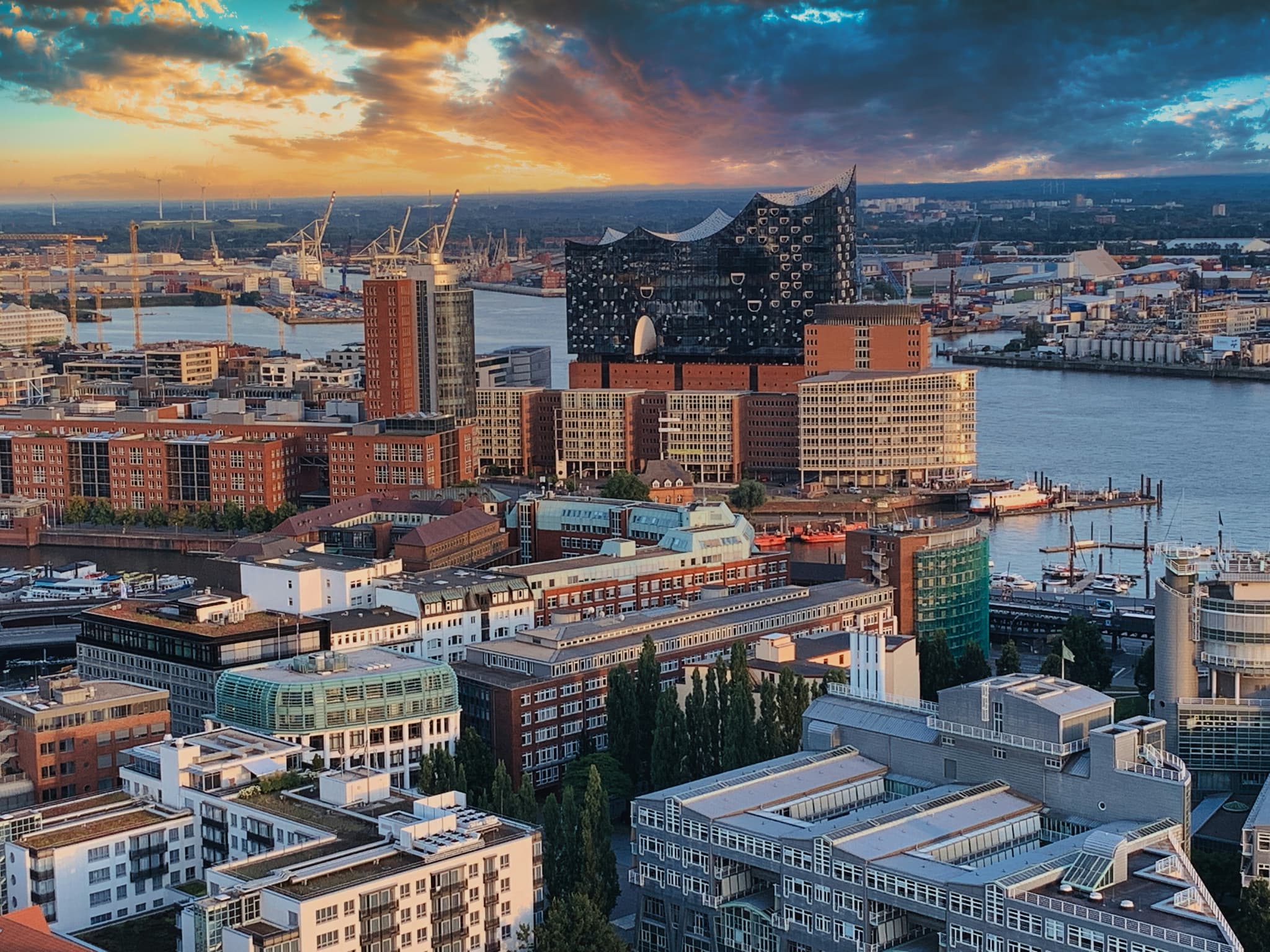
Renting an office in Hamburg 2025: rents, best locations and tips
Hamburg is one of the most interesting office markets in Germany. City centre, HafenCity or City-Süd: find out which locations offer the best opportunities in 2025, what rents look like and what to watch for in a contract.