Flexible work in Europe 2025: a comprehensive case study
Hybrid work dominates the European world of work. Companies benefit from better talent retention and more efficient use of space. Employees gain time and autonomy. The data shows a market that has matured, with rising demand for coworking and digitally supported ways of working.
11 Min. Reading Time
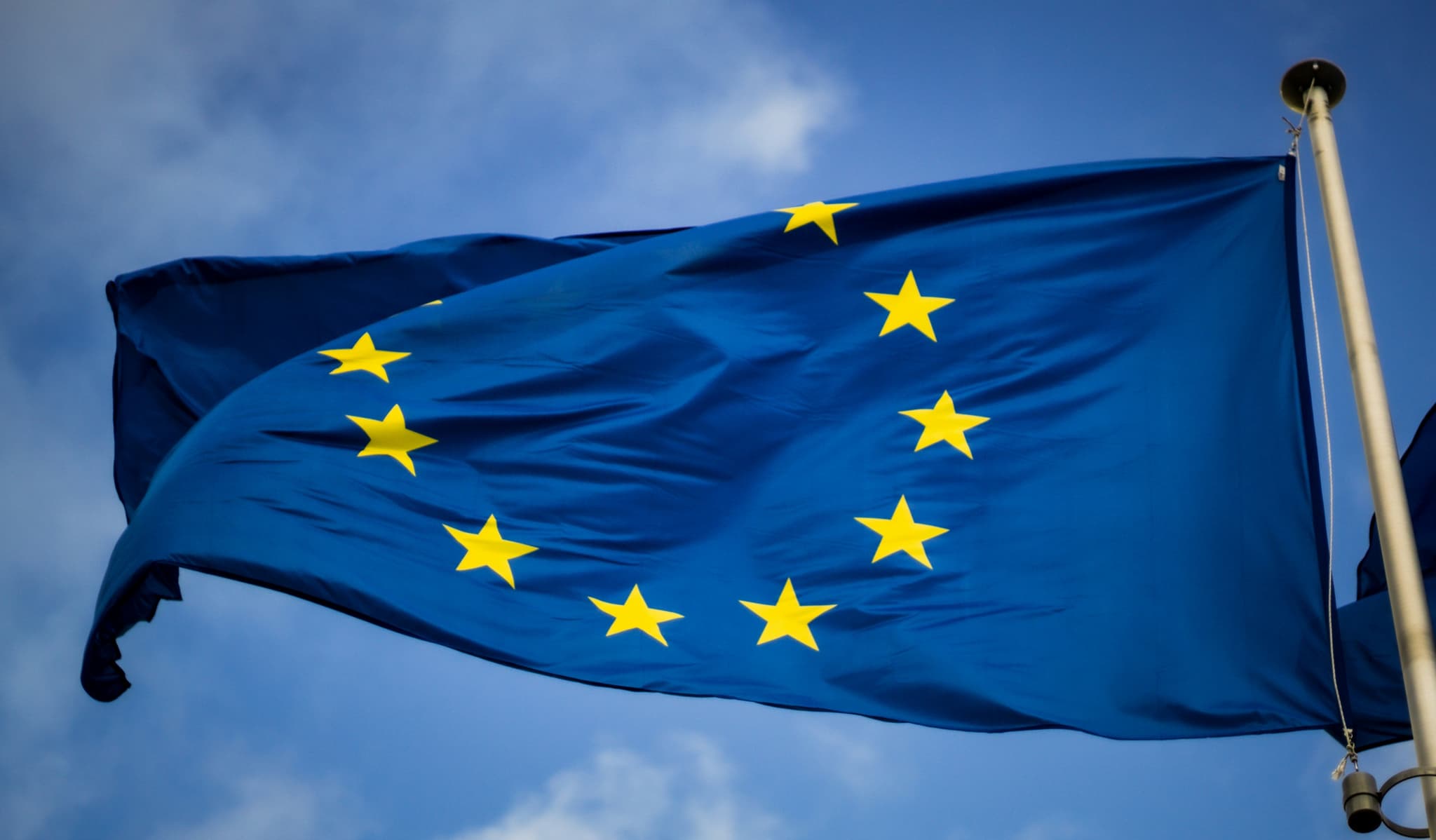
The world of work in Europe has undergone a deep transformation, moving from a pandemic necessity to a strategic pillar of modern employment. This comprehensive analysis shows that flexible ways of working are firmly anchored in the European labour market, with 44 per cent of EU employees working in hybrid models and a coworking sector estimated at USD 7.23 billion in 2025 (Mordor Intelligence 2025). The data makes clear that flexible work is not a temporary adjustment but a fundamental reshaping of how Europeans understand employment, work-life balance and economic productivity.
The evidence points to a mature ecosystem in which 75 per cent of European employees prefer hybrid ways of working, while employers increasingly recognise that flexible work is essential for attracting and keeping talent. This transformation is supported by strong policy frameworks, among them the EU work-life balance directive and the emerging platform work directive, which together create legal foundations for sustainable flexible working practices.

The state of flexible work in Europe today
The labour market and the key statistics
The European labour market in 2025 shows remarkable resilience and adaptation to flexible ways of working. The EU employment rate reached 76.2 per cent in the second quarter of 2025, while the unemployment rate fell to 5.9 per cent. That points to strong labour market performance despite considerable structural change in how people work.
The hybrid model has emerged as the dominant flexible form, accounting for 44 per cent of all remote-capable jobs in the European Union. That is a significant development compared with the period before the pandemic, when remote work affected only 6.5 per cent of the workforce. Full-time remote positions, which peaked at 24 per cent in 2022 during the pandemic, have stabilised at 14 per cent in 2024 (Eurofound 2025).

The gig economy has expanded considerably, with a projected 43 million platform workers by 2025, who make up a substantial part of the flexible European workforce. This growth reflects the increasing integration of digital platforms into traditional employment structures and the rising need for flexible ways of working across a range of industries (European Commission 2025).
Regional differences and patterns of adoption
The take-up of flexible work in Europe varies considerably by region, reflecting cultural, economic and regulatory conditions. Northern European countries lead on adoption rates, with the Netherlands at the top, where 83 per cent of men and 72 per cent of women work flexibly. Countries such as Denmark, Finland and Sweden have established themselves as leaders on work-life balance, while Iceland is regarded worldwide as the country with the best work-life balance (Remote.com European Index 2025).
Western European countries such as Germany, Belgium and Austria have mature hybrid working ecosystems, with Belgium rising into the top three for work-life balance in 2025. These countries benefit from well-developed digital infrastructure, forward-looking labour market policy and cultural acceptance of flexible ways of working.
Southern European countries show moderate but fast-growing adoption rates. Spain and Portugal have become particularly attractive locations for digital nomads and remote workers, with Portugal consistently regarded as the leading destination for digital nomads worldwide (EuroNews 2025).
Eastern European countries are an emerging market for flexible work, with countries such as Poland, Estonia and Lithuania showing strong potential for growth. Estonia's digital approach and Poland's projected economic growth of 3.6 per cent by 2025 position these countries as important players in the flexible work ecosystem (OECD 2025).
Coworking and flexible workplace infrastructure
The European coworking market has developed into a sophisticated infrastructure supporting flexible ways of working. With around 6,850 coworking spaces in Europe in 2025, the sector shows remarkable resilience and room to grow. Average occupancy rates of 80–85 per cent clearly exceed those of conventional office space and point to strong demand and efficient use (Mordor Intelligence 2025).
The geographical spread shows both established and emerging hubs. London remains the market with the highest penetration, in double digits, while secondary cities such as Lisbon, Manchester, Kraków and Prague are growing faster thanks to less competition and attractive cost structures. Prices vary considerably by market, from EUR 325 a month in Barcelona to EUR 1,700 a month in Paris, reflecting local economic conditions and patterns of demand (Mordor Intelligence 2025).
The integration of technology has become the defining feature of modern coworking spaces. AI-supported productivity assistants, IoT-based environmental controls and advanced collaboration technology are turning these spaces into highly developed working environments that rival corporate offices. This technological focus makes possible the high occupancy rates and member satisfaction driving the sector's growth (SecuritySenses 2024).
What is driving the take-up of flexible work
Employer motives and strategic advantages
European employers are adopting flexible ways of working for five main strategic reasons. Competitiveness in the labour market is the most important driver: companies use flexible working policies to attract and keep talent in increasingly contested markets. That is particularly decisive in technology and knowledge sectors, where qualified specialists put work-life balance and autonomy first.
Digital transformation initiatives both encourage and enable the take-up of flexible work. Organisations that invest in collaboration platforms, cloud tools and digital infrastructure find flexible work a natural extension of their technological capabilities. A self-reinforcing cycle emerges in which digital investment enables flexible work, which in turn drives further digital use (Cisco Live EMEA 2024).
Cost efficiency brings measurable financial advantages through a smaller need for office space and lower fixed costs. Companies that adopt desk-sharing models and reduce their physical footprint achieve marked savings while keeping operational efficiency. Employee retention and engagement improve through higher job satisfaction, lower turnover and increased productivity where flexible work is implemented properly.

Sustainability goals are influencing employer decisions ever more strongly. Flexible work contributes to ESG (environmental, social, governance) goals. Less commuting leads directly to lower CO₂ emissions, which supports both corporate sustainability goals and statutory requirements (SmartBrief 2025).
Employee preferences and work-life balance
Employees' choice of flexible work has moved on from pandemic stopgaps to lasting motives.
The time saved by commuting less remains the most important factor in employee preference. The time gained goes into rest, private commitments and leisure, and improves work-life balance noticeably.
Higher productivity comes through more autonomy and control over your own working environment. Many report better concentration, self-directed workflows and fewer distractions than in the office.
Greater job satisfaction and wellbeing are the most significant long-term advantages of flexible work. Employees report that flexible models fundamentally change their relationship with work and allow a better integration of work and private life. That leads to higher retention and loyalty (Eurofound 2025).
The Netherlands is a prime example, with Europe's shortest average working week at 30.5 hours. It shows how flexible working policies can encourage both productivity and wellbeing.
Technological drivers and digital infrastructure
Advanced digital infrastructure forms the foundation of Europe's flexible work ecosystem. 5G networks, AI-supported collaboration tools and cloud infrastructure make possible seamless remote experiences that match face-to-face interaction. Investment in digital infrastructure has given Europe clear competitive advantages.
Collaboration platforms and project management tools have developed to support complex, distributed workflows. They allow real-time collaboration, document sharing and project coordination across countries and time zones. The maturity of the technology reduces the traditional coordination costs of distributed work.
Security and compliance technology addresses concerns about data protection and regulation in flexible working environments. European companies increasingly rely on modern VPN technology, multi-factor authentication and encrypted communication platforms in order to meet security standards while allowing people to work from anywhere.
Sector analysis and industry dynamics
Technology and knowledge work in the lead
The technology sector leads the take-up of flexible work in Europe, with 93 per cent of German companies regarding AI as decisive for their progress and 81 per cent planning to hire specialists in the field. This sector's natural affinity for digital tools and distributed collaboration makes it the ideal setting for putting flexible work into practice (OECD Germany 2025).
Financial services are undergoing deep change through AI and automation. Flexible work here gives access to global talent pools while meeting regulatory requirements. The knowledge-intensive, high-value work in this sector suits flexible models well, even if regulatory demands add complexity.
Manufacturing and traditional sectors
European industry faces particular challenges in putting flexible work into practice, since production processes require physical presence. But advanced robotics and AI-driven transformation are creating opportunities for knowledge workers within manufacturing companies to work flexibly while production efficiency is maintained.
Supporting functions such as design and engineering increasingly work under flexible conditions, making hybrid operating models possible.
Healthcare and the care economy
Healthcare represents the largest growth sector in demand for labour up to 2030, driven by demographic change and medical innovation. While clinical work requires physical presence, administration, research and telemedicine increasingly work flexibly.
A closer look at the regions: different national approaches
Nordic excellence in integrating work and life
Finland pioneered flexible work legislation and gave employees the right to adjust their working hours and place of work themselves. New laws allow at least half of working time to be arranged freely — a world-leading degree of flexibility.
Denmark, Sweden and Iceland complement this approach with strong social security systems and cultural norms that put work-life balance first.
Western European maturity
The Netherlands has the shortest average working week in Europe and with it a high degree of compatibility between work and private life.
Germany combines the take-up of flexible work with its strong industrial base and relies on retraining to accompany the shift in its workforce.
Belgium shows marked progress on work-life balance through recent policy measures.
Southern European innovation
Portugal and Spain have introduced attractive visa programmes for digital nomads as well as pro-flexible labour laws, such as a ban on contact outside working hours or an obligation on employers to contribute to the costs of working from home.
Eastern Europe on the rise
Estonia and Poland have made important progress in digital infrastructure and economic growth and offer an attractive setting for flexible work to grow.
The policy and regulatory framework
The EU work-life balance directive guarantees family-related leave rights and the right to request flexible work, creating minimum standards across all member states.
The EU platform work directive governs how platform workers are classified and requires transparency about algorithms. It affects millions of flexible workers and platform companies.
Digital nomad visas across Europe make international remote work easier by balancing talent attraction and economic benefit against regulatory requirements.
Challenges and obstacles to implementation
Managing hybrid teams calls for new approaches to leadership and performance-based assessment criteria.
Questions of fairness are arising around barriers to access and the digital divide.
The infrastructure requirements for cybersecurity, data protection and ergonomic equipment at home represent financial and operational challenges.
Environmental effects and sustainability
Flexible work cuts CO₂ emissions above all through less commuting. Studies show that emissions can fall by as much as 54 per cent with full-time remote work.
Sustainable urban development benefits through less congestion, better air quality and regional economic diversification.
Companies increasingly build flexible work into their ESG strategies in order to meet regulatory requirements and stakeholder expectations.
Best practice: Seatsmatch as a model platform
Seatsmatch is an example of successfully matching flexible workplaces and building community in Europe. The platform acts as an all-in-one marketplace connecting more than 100 property owners and workplaces. It supports both workplace bookings and the letting of business addresses, with automated billing and transparent prices.
Its community-oriented approach encourages genuine professional connections and creates value beyond simply matching workplaces. Seatsmatch's success-based pricing model and automated tools for operations lower the barriers for providers and users alike and make a scalable ecosystem for flexible work possible.
Looking ahead: flexible work in Europe up to 2030
Technological advances such as AI, 5G and immersive forms of collaboration will deepen the integration of flexible work further.
Demographic change and new skill requirements make flexible work indispensable if Europe's labour markets are to stay fit for the future.
Policy frameworks will develop further in order to harmonise protections and enable flexibility across borders.
Coworking and the gig economy will grow strongly, with an expected market volume for coworking of USD 11.8 billion in 2030.
Strategic recommendations
Company leaders should invest in comprehensive strategies for flexible work, digital infrastructure and cultural change.
HR departments have to redesign talent management and performance assessment for hybrid work.
Policymakers should speed up the implementation of EU directives and encourage ecosystems for digital nomads.
Platform providers should focus on community, technology, transparency and sustainability.
In conclusion
Flexible work in Europe has moved from a response to crisis to a lasting, strategic feature of labour markets. With strong policy support, technological capability and innovative platforms such as Seatsmatch encouraging access to workspaces and community, Europe is well placed to lead the global transformation of work.
This development brings advantages in productivity, wellbeing, inclusion and sustainability, and strengthens Europe's prospects for resilient economic growth up to 2030 and beyond.
The most important questions answered:
What are the latest trends in flexible work in Europe in 2025?Flexible work continues to develop: 44 per cent of EU employees work in hybrid arrangements, while purely remote work has stabilised at around 14 per cent. The trend shows a balance between office presence and remote flexibility, supported by digital infrastructure and new working cultures.
How popular is hybrid work with European employees?Very popular: 75 per cent of employees prefer hybrid models that combine days in the office with days at home. Employers report rising satisfaction and better retention.
Which countries lead on flexible work?Northern Europe: the Netherlands, Finland, Denmark and Sweden, with hybrid rates over 70 per cent. Southern Europe: Portugal and Spain are growing strongly, above all through digital nomad programmes.
How does the EU work-life balance directive support flexible work?It creates minimum standards for family leave and gives every employee the right to request flexible work. In doing so it encourages work-life balance and equality.
What effect does the EU platform work directive have on the gig economy?Since 2024 it has brought more legal certainty, protection and transparency about algorithms. Millions of platform workers in the EU benefit.
How has the European coworking market developed?A volume of more than USD 7 billion in 2025, with occupancy at 80–85 per cent. Growth in mature markets such as London and in new hubs such as Lisbon and Prague.
What advantages does hybrid work bring companies?Better talent attraction, higher productivity, lower property costs and support for sustainability goals.
How do digital nomad visas make remote work in Europe easier?Countries such as Portugal and Estonia offer visas that make remote work legal. They attract international talent and strengthen local economies.
What part does technology play?5G, AI, the cloud and secure collaboration tools are key. They lower coordination costs, keep productivity high and protect data.
How does flexible work contribute to sustainability?Full-time remote work cuts emissions by as much as 54 per cent. Hybrid models also save CO₂ and encourage sustainable urban development.
Which industries have adopted flexible work most?Leading the way: technology, finance and services. Industry and healthcare are adapting step by step, with a growing number of hybrid roles.
What are the challenges?Leading distributed teams, fair access, cybersecurity, new ways of measuring performance and cultural change.
How can HR departments adapt?By focusing on flexible policies, digital tools, new KPI structures, continuous communication and wellbeing programmes.
Which platforms are suitable for coworking in Europe?Seatsmatch offers access to hundreds of coworking spaces with straightforward booking, clear prices and a focus on community.
How does Seatsmatch simplify booking a workplace?The platform connects users with a Europe-wide network and allows instant booking, digital billing and comparison across cities.
Related Articles
The cost advantages of a private office or coworking space in winter
Winter 2025 brings an unprecedented wave of costs for companies, freelancers and employees working from home.
Renting an office in Hamburg 2025: rents, best locations and tips
Hamburg is one of the most interesting office markets in Germany. City centre, HafenCity or City-Süd: find out which locations offer the best opportunities in 2025, what rents look like and what to watch for in a contract.