
In 2025 coworking in Silicon Valley looks anything but uniform. While conventional office space in cities such as San Francisco has been struggling with vacancies, coworking spaces in suburbs such as Palo Alto, San Mateo and San Jose are booming. Providers such as Industrious and IWG are deliberately opening up more suburban areas to be closer to people and how they actually live.
AI as a catalyst for coworking culture in Silicon Valley
Artificial intelligence has transformed Silicon Valley not only technologically but spatially. With the boom in AI start-ups, specialised coworking spaces are appearing, such as the House of AI in San Francisco, a meeting point for the founders of the next wave of technology. These places are far more than shared desks. They act as innovation hubs, event venues and gateways to exclusive networks. As Christian Byza describes in the OMR podcast, the Valley long ago stopped being about a desk and became about speed, exchange and visibility inside a community where visionaries, capital and deep-tech expertise meet. For the European scene that is a clear signal: anyone who wants to play a part in future topics such as AI has to create spaces that allow focus, exchange and access to networks in equal measure. Coworking thus becomes strategic infrastructure for the next generation of innovation.

The move towards hybrid and flexible working models is becoming ever clearer. Companies and employees increasingly value a combination of working from home and well-equipped coworking spaces that offer a genuine alternative to the traditional office. The equipment goes well beyond a desk and wifi: innovative spaces such as The Cove in San Francisco offer a sauna, gyms or even podcast studios, strengthening both the sense of community and the pull of the workplace.
In short, Silicon Valley shows us what coworking could look like in future: flexible, innovatively equipped, well connected and closer to people and what they need.
Where does Europe stand on coworking today?
Europe discovered coworking long ago and has made enormous progress. Current forecasts show the European coworking market continuing to grow. Cities such as Berlin, London, Amsterdam and Paris have become centres of flexible working. The trend is driven by start-ups, freelancers and increasingly by large companies looking for flexibility in how they organise their workplaces.
In Silicon Valley, demand for coworking spaces in suburban areas such as San Mateo and Palo Alto rose by more than 20 per cent in 2025.
That said, the European market is far from uniform. While urban centres boom, smaller towns and rural regions often struggle to build coworking offers that last. Acceptance of flexible ways of working also varies considerably between European countries.
The challenges are varied. They include rising rents, complex regulation and a sometimes still unclear positioning of coworking spaces as workplace, community centre or innovation hub. Many European operators are therefore at a turning point and looking for fresh ideas to make coworking lastingly attractive and commercially sustainable.
More than five million people in Europe already work regularly in coworking spaces, and the number keeps rising.
This is exactly where a look at Silicon Valley pays off. By taking inspiration from successful Californian concepts and adapting them, Europe can move its coworking market forward significantly.
What Europe can learn from Silicon Valley
European coworking operators can learn a good deal from Silicon Valley. One central aspect is a consistent focus on hybrid working. Californian coworking spaces respond flexibly to the needs of people who move between the office, home and flexible places of work. That lets them address a broad group of users whose need for mobility and flexibility keeps growing.
People at the centre of digital progress
For all the technological disruption, one thing stays constant: innovation does not happen in a vacuum, it happens in dialogue. In the age of AI in particular, human collaboration becomes the key resource. Coworking spaces such as the House of AI in San Francisco live on exactly that. They bring together people with complementary skills — engineers, designers, founders, investors — and create an environment where ideas are tested, developed and implemented in real time. That social proximity to sharp minds does not just replace chance encounters by the coffee machine, it becomes a strategic precondition for speed and relevance. Europe can learn from this: the coworking of the future is not a real estate question but a platform question. Whoever designs spaces has to curate collaboration, not just rent out square metres.

Another key to success lies in how the spaces are equipped. Coworking spaces such as The Cove offer their users not only desks but amenities such as gyms, podcast studios and even wellness areas. These additional services create value and strengthen the sense of community. Coworking spaces are then seen not merely as a place to work but as living meeting points.
It is not the desk that decides, it is the experience around it.
Where is Silicon Valley ahead of us?
Think hybrid working through properlyWorking models have to be flexible and cover both working from home and temporary time on site.
Open up suburban locationsSuburbs and smaller towns often hold unused potential at lower fixed costs.
Offer varietyAdditional services such as fitness, podcast studios or quiet zones increase the value on offer.
Put users firstWhat is offered should follow what users actually need, not an idealised picture of a "modern office".
Build community activelyNetworking, events and deliberate facilitation strengthen loyalty and produce organic growth.
Use technology intelligentlyDigital tools for booking rooms and resources and for connecting members raise efficiency and satisfaction.
Communicate a clear brand identitySuccessful spaces convey a way of life and position themselves beyond pure functionality.
Develop on the basis of dataAnalyse user behaviour, occupancy and feedback systematically to keep improving what is offered.
Coworking in suburban regions is also gaining importance in Silicon Valley. Operators recognise that more and more people prefer a workplace close to home to cut commuting time. For European cities increasingly troubled by traffic and rising rents, that approach could be an interesting alternative.
Learning from Silicon Valley: making European coworking fit for the future
European coworking operators who want to learn from Silicon Valley's successes can take the following steps:
First, the choice of location matters enormously. Operators should look not only at central city sites but increasingly at suburban ones. These places offer lower rents, less competition and appeal directly to people who prefer flexible working close to where they live.
Coworking spaces with integrated extras such as gyms or events achieve up to 30 per cent higher occupancy.
Second, the fit-out is an important factor. Alongside standard offerings such as good workstations and fast internet, operators should add innovative amenities. Gyms, podcast studios and purpose-built meeting rooms are examples. These raise attractiveness considerably and keep users there longer.
Third, building a strong community is essential. Regular networking events, targeted workshops and lively internal communication make users want to come back and recommend the space. Clear positioning as an innovation centre or community hub also contributes decisively to keeping customers over the long term.
Operators in Europe who act on these ideas have the chance to create coworking offers that are not only attractive and profitable but successful in the long run.
Conclusion: rethinking coworking with an eye westwards
Silicon Valley shows impressively how coworking can grow beyond pure space management. Flexibility, appetite for innovation, a sense of community and a clear focus on users shape what modern working environments look like there. Europe has the chance to pick up these impulses and adapt them to its own market.
The next big coworking concept will not come out of San Francisco. It might come out of Stuttgart, Porto or Kraków.
Rather than relying solely on central locations and traditional concepts, what is needed is the courage to differentiate. Anyone who understands coworking not just as space but as an experience will reach new audiences and stand out clearly in the market.
The future belongs to operators who recognise early that working environments have to be emotional, functional and social all at once. And that is exactly what Silicon Valley demonstrates every day.
If Europe is ready to listen, it will not merely catch up — it will set new standards.
Related Articles

Flexible work in Europe 2025: a comprehensive case study
Hybrid work dominates the European world of work. Companies benefit from better talent retention and more efficient use of space. Employees gain time and autonomy. The data shows a market that has matured, with rising demand for coworking and digitally supported ways of working.

The cost advantages of a private office or coworking space in winter
Winter 2025 brings an unprecedented wave of costs for companies, freelancers and employees working from home.
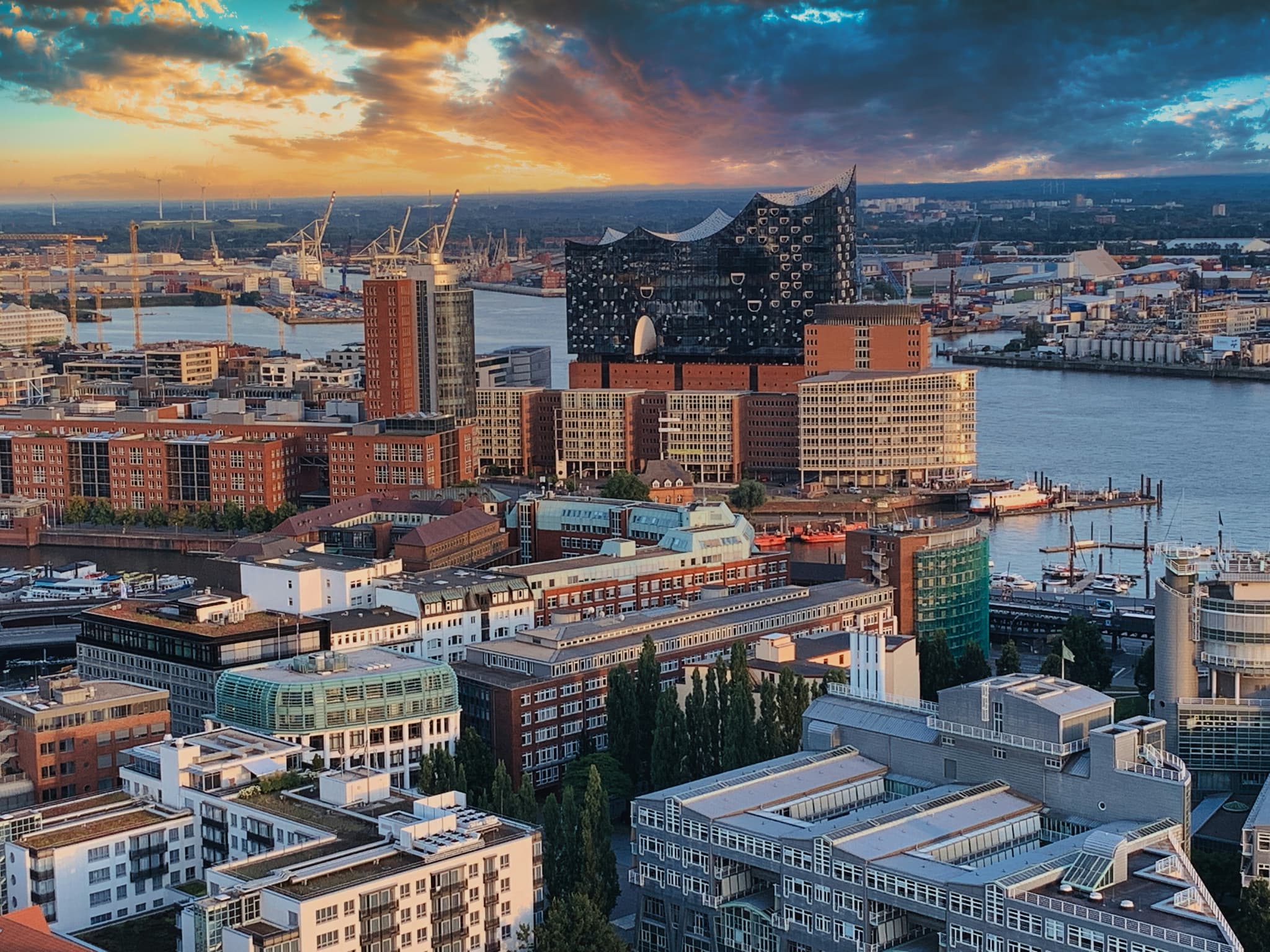
Renting an office in Hamburg 2025: rents, best locations and tips
Hamburg is one of the most interesting office markets in Germany. City centre, HafenCity or City-Süd: find out which locations offer the best opportunities in 2025, what rents look like and what to watch for in a contract.