Flexible Work Across Europe in 2025: A Comprehensive Case Study
Hybrid work is becoming the dominant model across Europe. Companies benefit from stronger talent retention and more efficient workspace use. Employees gain time and autonomy. Data confirms a mature market with rising demand for Coworking and digitally supported flexible work.
10 Min. Reading Time
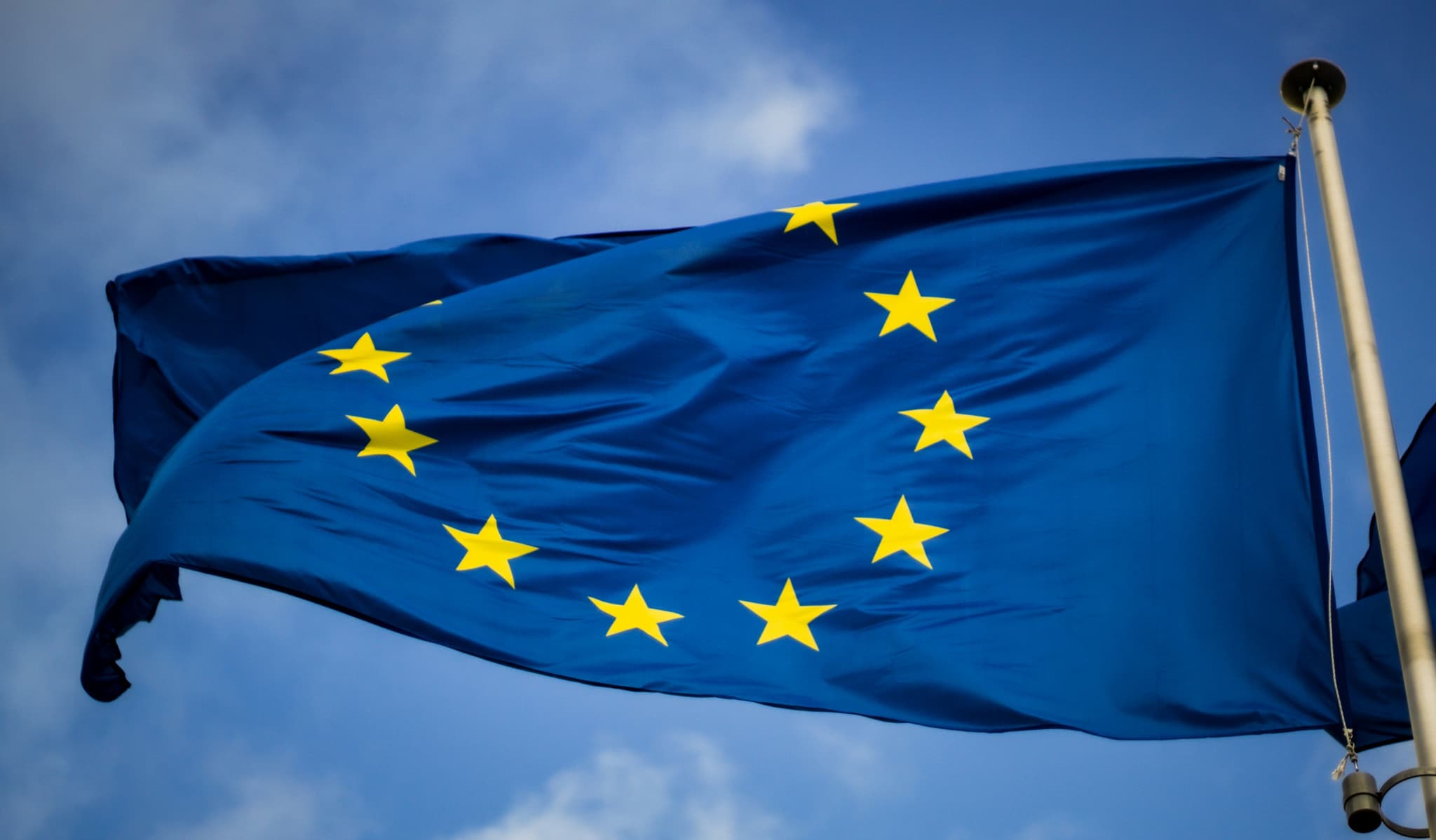
The landscape of work across Europe has undergone a profound transformation, evolving from a pandemic-driven necessity into a strategic pillar of modern employment. This comprehensive analysis reveals that flexible work arrangements have become deeply embedded in European labor markets, with 44% of EU workers now engaged in hybrid work models and the coworking sector valued at USD 7.23 billion in 2025 (Mordor Intelligence 2025). The data demonstrates that flexible work is not merely a temporary accommodation but a fundamental reshaping of how Europeans approach employment, work-life balance, and economic productivity.
The evidence points to a mature ecosystem where 75% of European employees express preference for hybrid arrangements, while employers increasingly recognize flexible work as essential for talent attraction and retention. This transformation is supported by robust policy frameworks, including the EU Work-Life Balance Directive and the emerging Platform Work Directive, which collectively provide legal foundations for sustainable flexible work practices.

Current State of Flexible Work in Europe
Employment Landscape and Key Statistics
Europe's employment market in 2025 demonstrates remarkable resilience and adaptation to flexible work models. The EU employment rate reached 76.2% in Q2 2025, while unemployment declined to 5.9% (Eurostat 2025), indicating strong labor market performance despite significant structural changes in work arrangements.
The hybrid work model has emerged as the dominant flexible arrangement, representing 44% of all remote-capable work across the European Union. This represents a significant evolution from pre-pandemic levels, when remote work constituted merely 6.5% of the workforce. Fully remote positions, while declining from pandemic peaks of 24% in 2022, have stabilized at 14% in 2024 (Eurofound 2025).

The gig economy has experienced substantial expansion, with the number of platform workers projected to reach 43 million by 2025, representing a significant portion of Europe's flexible workforce. This growth reflects the increasing integration of digital platforms into traditional employment structures and the rising demand for flexible work arrangements across diverse sectors (European Commission 2025).
Regional Variations and Adoption Patterns
European flexible work adoption displays significant regional heterogeneity, reflecting diverse cultural, economic, and regulatory environments. Northern European countries lead in adoption rates, with the Netherlands achieving the highest flexible work penetration at 83% for men and 72% for women. Countries like Denmark, Finland, and Sweden have established themselves as pioneers in work-life balance policies, with Iceland achieving recognition as having the best life-work balance globally (Remote.com European Index 2025).
Western European nations including Germany, Belgium, and Austria demonstrate mature hybrid work ecosystems, with Belgium breaking into the top three life-work balance rankings for 2025. These countries benefit from established digital infrastructure, progressive labor policies, and cultural acceptance of flexible work arrangements.
Southern European countries show moderate but rapidly growing adoption rates. Spain and Portugal have become particularly attractive for digital nomads and remote workers, with Portugal consistently ranking as the top destination for digital nomads globally (EuroNews 2025).
Eastern European nations represent an emerging market for flexible work, with countries like Poland, Estonia, and Lithuania showing strong growth potential. Estonia's digital-first approach and Poland's projected 3.6% economic growth by 2025 position these countries as important players in the flexible work ecosystem (OECD 2025).
Coworking and Flexible Workspace Infrastructure
The European coworking market has evolved into a sophisticated infrastructure supporting flexible work arrangements. With approximately 6,850 coworking spaces across Europe in 2025, the sector demonstrates remarkable resilience and growth potential. Average occupancy rates of 80-85% significantly outperform traditional office spaces, indicating strong demand and efficient utilization (Mordor Intelligence 2025).
Geographical distribution reflects both established and emerging hubs. London maintains the highest penetration with double-digit market share, while secondary cities like Lisbon, Manchester, Krakow, and Prague experience faster growth rates due to lower competition and attractive cost structures. Pricing varies dramatically across markets, from €325 per month in Barcelona to €1,700 per month in Paris, reflecting local economic conditions and demand patterns (Mordor Intelligence 2025).
Technology integration has become a defining characteristic of modern coworking spaces. AI-powered productivity assistants, IoT-enabled environment controls, and advanced collaboration technologies transform these spaces into sophisticated work environments that rival traditional corporate offices. This technological sophistication enables the high occupancy rates and member satisfaction that drive the sector's growth (SecuritySenses 2024).
Drivers of Flexible Work Adoption
Employer Motivations and Strategic Benefits
European employers embrace flexible work arrangements driven by five primary strategic considerations. Labor market competitiveness ranks as the foremost driver, with organizations using flexible work policies to attract and retain talent in increasingly competitive markets. This is particularly critical in technology and knowledge sectors where skilled workers prioritize work-life balance and autonomy.
Digital transformation initiatives both enable and drive flexible work adoption. Organizations investing in collaborative platforms, cloud-based tools, and digital infrastructure find that flexible work arrangements become natural extensions of their technological capabilities. This creates a reinforcing cycle where digital investment facilitates flexible work, which in turn drives further digital adoption (Cisco Live EMEA 2024).
Cost efficiency provides tangible financial benefits through reduced office space requirements and overhead costs. Companies implementing desk-sharing schemes and downsizing physical footprints achieve significant savings while maintaining operational effectiveness. Employee engagement improvements manifest through higher job satisfaction, reduced turnover, and enhanced productivity when flexible work is properly implemented.

Sustainability goals increasingly influence employer decisions, with flexible work contributing to Environmental, Social, and Governance (ESG) objectives. Reduced commuting translates directly to lower carbon emissions, supporting corporate sustainability commitments and regulatory compliance requirements (SmartBrief 2025).
Employee Preferences and Work-Life Balance
Employee adoption of flexible work stems from practical and intrinsic motivations that have evolved beyond initial pandemic responses.
Commuting time savings remains the dominant factor driving employee preference for flexible arrangements. Time previously spent in transit is repurposed for rest, personal responsibilities, and leisure activities, creating tangible improvements in work-life balance.
Improved productivity emerges as employees gain greater autonomy and control over their work environments. Many workers report enhanced concentration, self-paced workflows, and reduced office distractions when working flexibly.
Enhanced job satisfaction and overall well-being represent the most significant long-term benefits of flexible work. European workers report that flexible arrangements fundamentally alter their relationship with work, enabling better integration of professional and personal responsibilities. This shift contributes to higher retention rates and stronger employee loyalty (Eurofound 2025).
The Netherlands exemplifies these benefits with the shortest average working week in Europe at 30.5 hours, demonstrating how flexible work policies can create environments that prioritize both productivity and well-being.
Technological Enablers and Digital Infrastructure
Advanced digital infrastructure forms the foundation of Europe's flexible work ecosystem. 5G networks, AI-powered collaboration tools, and cloud infrastructure enable seamless remote work experiences that rival in-person interactions. European investment in digital infrastructure has created competitive advantages in supporting flexible work arrangements.
Collaborative platforms and project management tools have evolved to support complex, distributed workflows. These technologies enable real-time collaboration, document sharing, and project coordination across time zones and locations. The sophistication of these tools reduces the coordination costs traditionally associated with distributed work.
Security and compliance technologies address concerns about data protection and regulatory compliance in flexible work environments. European organizations leverage advanced VPN technologies, multi-factor authentication, and encrypted communication platforms to maintain security standards while enabling location flexibility.
Sectoral Analysis and Industry Dynamics
Technology and Knowledge Work Leadership
The technology sector leads European flexible work adoption, with 93% of German businesses expecting AI to be key to their advancement and 81% planning to hire relevant experts. This sector's natural affinity for digital tools and distributed collaboration makes it an ideal environment for flexible work implementation (OECD Germany 2025).
Financial services experience transformation through AI and automation, with flexible work enabling access to global talent pools while maintaining regulatory compliance. The sector's high-value, knowledge-intensive work aligns well with flexible work models, though regulatory requirements create additional complexity.
Manufacturing and Traditional Sectors
European manufacturing faces unique challenges in implementing flexible work due to the physical nature of production processes. However, advanced robotics and AI transformation create opportunities for knowledge workers within manufacturing organizations to work flexibly while maintaining production efficiency.
Support functions within manufacturing, such as design and engineering, increasingly operate under flexible arrangements, enabling hybrid operational models.
Healthcare and Care Economy
Healthcare represents the largest growth sector in labor demand by 2030, driven by aging demographics and advancing medical technology. While clinical roles require physical presence, administrative, research, and telemedicine functions increasingly operate under flexible arrangements.
Regional Deep Dive: Distinctive National Approaches
Nordic Excellence in Work-Life Integration
Finland pioneered flexible work legislation with a right for workers to adjust schedules and locations. Recent laws allow workers to choose where and when they work for at least half their hours, representing world-leading flexibility.
Denmark, Sweden, and Iceland complement this approach with strong social safety nets and cultural norms that prioritize work-life balance.
Western European Maturity
The Netherlands exhibits exceptional work-life balance with the shortest average working week.
Germany balances flexible work adoption alongside its manufacturing base, integrating retraining to accommodate workforce shifts.
Belgium demonstrates recent policy improvements driving life-work balance improvements.
Southern European Innovation
Portugal and Spain have developed attractive digital nomad visa programs and pro-flexibility legislation such as prohibiting off-hours contact and enforcing employer contribution to home-work expenses.
Eastern European Emergence
Estonia and Poland have made key advances in digital infrastructure and economic growth, offering attractive environments for flexible work growth.
Policy and Regulatory Framework
The EU Work-Life Balance Directive mandates family-related leaves and rights to flexible work requests, setting minimal common standards across member states.
The EU Platform Work Directive governs gig worker classification and algorithmic transparency, influencing millions of flexible workers and platform companies.
Digital nomad visas across Europe facilitate international remote work mobility, balancing talent attraction and economic benefit with regulatory needs.
Challenges and Implementation Barriers
Management of hybrid teams requires new leadership approaches and outcome-focused performance metrics.
Equity concerns arise regarding access disparities and digital divides.
Infrastructure needs for cybersecurity, data protection, and home-office ergonomics create financial and operational challenges.
Environmental Impact and Sustainability
Flexible work reduces carbon emissions primarily through decreased commuting, with studies indicating reductions of up to 54% for full-time remote workers.
Sustainable urban development benefits include reduced congestion, improved air quality, and regional economic diversification.
Corporations increasingly integrate flexible work into ESG strategies to meet regulatory and stakeholder demands.
Best Practices: Seatsmatch as an Exemplar Platform
Seatsmatch exemplifies effective facilitation of flexible workspace access and community building across Europe. It operates as an all-in-one marketplace connecting over 100 property owners and workspaces, supporting both workplace bookings and business address rentals with automated billing and transparent pricing.
Its community-focused approach fosters authentic professional connections, creating value beyond mere transactional workspace rental. Seatsmatch’s success-based pricing model and automated operational tools reduce barriers for workspace providers and users, enabling scalable flexible workspace ecosystems.
Future Outlook: European Flexible Work to 2030
Technological advances including AI, 5G, and immersive collaboration will deepen flexible work integration.
Demographic changes and evolving workforce skills will make flexible work essential for sustaining Europe's labor markets.
Policy frameworks will continue to evolve, harmonizing protections and enabling cross-border flexibility.
Coworking and gig economy sectors will grow substantially, with coworking markets projected to reach USD 11.8 billion by 2030.
Strategic Recommendations
Leaders should invest in comprehensive flexible work strategies, digital infrastructure, and culture change.
HR professionals must redesign talent management and performance frameworks to suit hybrid work.
Policymakers need to accelerate EU directive implementation and support digital nomad ecosystems.
Platform innovators should emphasize community, advanced technology, transparency, and sustainability.
Conclusion
Flexible work in Europe has transitioned from crisis response to a permanent, strategic feature of labor markets. With strong policy support, technological enablement, and innovative platforms like Seatsmatch facilitating workspace access and community, Europe is poised to lead the global transformation in how people work.
This transformation delivers benefits spanning productivity, well-being, inclusion, and sustainability, positioning Europe for resilient economic growth through 2030 and beyond.
Most important Questions answerd:
What are the latest flexible work trends in Europe for 2025?Flexible work continues to evolve with hybrid models now embraced by 44% of EU workers in remote-capable roles, while fully remote work has stabilized to about 14%. The trend shows a balance between office presence and remote flexibility, facilitated by investments in digital infrastructure and shifting workplace cultures.
How popular is hybrid work among European employees?Hybrid work is highly popular, with surveys indicating that 75% of European employees prefer hybrid work arrangements that combine some office days with remote work. Employers also report increased hybrid offerings, citing employee satisfaction and talent retention benefits .
Which European countries lead in flexible work adoption?Northern European countries like the Netherlands, Finland, Denmark, and Sweden are leaders in flexible work adoption, with over 70% of their workforce working remotely at least part-time. Southern European countries including Portugal and Spain are growing hubs, especially for digital nomads, supported by friendly visa programs and policies.
How does the EU Work-Life Balance Directive support flexible work?The directive mandates minimum family leave provisions and gives employees the right to request flexible work arrangements across all member states, fostering improved work-life balance and gender equality. It’s a foundational policy enabling flexible work as a legal standard .
What is the impact of the EU Platform Work Directive on gig economy workers?Adopted in 2024, this directive improves legal clarity for platform workers, providing protections and requiring algorithmic transparency from platforms. It redefines employment relationships and enhances gig workers’ rights throughout the EU, affecting millions of flexible workers .
How has the European coworking space market grown recently?Europe’s coworking sector is valued at over $7 billion in 2025 with occupancy rates consistently around 80-85%. Growth is strong in mature markets like London and emerging hubs such as Lisbon and Prague, driven by demand for flexible workspace supporting hybrid and remote models.
What are the main benefits of hybrid work for European businesses?Hybrid work improves talent attraction and retention, increases employee productivity, and reduces real estate costs. It also supports corporate sustainability goals by lowering emissions linked to commuting and office energy usage.
How do digital nomad visa programs facilitate remote work in Europe?Many countries, including Portugal and Estonia, offer digital nomad visas that allow remote workers to live and work legally for extended periods. These programs attract international talent, boost local economies, and support the geographic diversification of flexible workforces.
What role does technology play in enabling flexible work in Europe?5G connectivity, AI-powered tools, cloud computing, and secure remote collaboration platforms are critical enablers of flexible work. They reduce coordination costs, maintain productivity, and secure sensitive data, making distributed teams viable and efficient.
How does flexible work contribute to sustainability and carbon emissions reduction?Flexible work significantly cuts emissions—full-time remote can reduce employee carbon footprints by up to 54% due to less commuting. Hybrid work yields proportional benefits, helping companies meet ESG targets and promoting sustainable urban development.
Which industries in Europe have embraced flexible and remote work most?Technology, finance, and professional services sectors lead in flexible work adoption due to digital readiness. Manufacturing and healthcare have more nuanced adoption due to location-dependent roles but are showing rapid growth in hybrid and remote-capable functions.
What challenges do companies face when implementing hybrid work models?Key challenges include managing distributed teams, ensuring equitable access to flexible work, cybersecurity risks, and redesigning workplace culture and performance assessments to focus on outcomes rather than presenteeism.
How can European HR professionals adapt to the rise of flexible work?HR should prioritize flexible work policies, adopt new digital tools for remote collaboration, redesign performance metrics, and maintain ongoing communication to support diverse employee needs. Training and well-being programs tailored for hybrid workers are essential for sustainable engagement.
What are the best platforms for finding coworking spaces in Europe?Seatsmatch is a leading platform providing access to hundreds of coworking spaces and flexible offices across Europe. It offers seamless booking, transparent pricing, and community-building features tailored for flexible workers.
How does Seatsmatch simplify workspace booking for flexible workers in Europe?Seatsmatch connects professionals with a network of workspaces through an intuitive platform enabling instant bookings and digital billing. It removes traditional barriers by aggregating options across cities, catering to hybrid, remote, and on-demand workspace needs, fostering efficient and community-focused flexible work.